Retinol, vitamin C, exfoliating acids and prescription lighteners all come back after a procedure, but not on the same day and not all at once. This explainer gives the timing clinics commonly use after laser, chemical peels, microneedling and HIFU, the order to reintroduce each active, and the signs that you have started too early. Prescription products restart only as directed by your doctor.
The short answer: when to restart retinol after a procedure
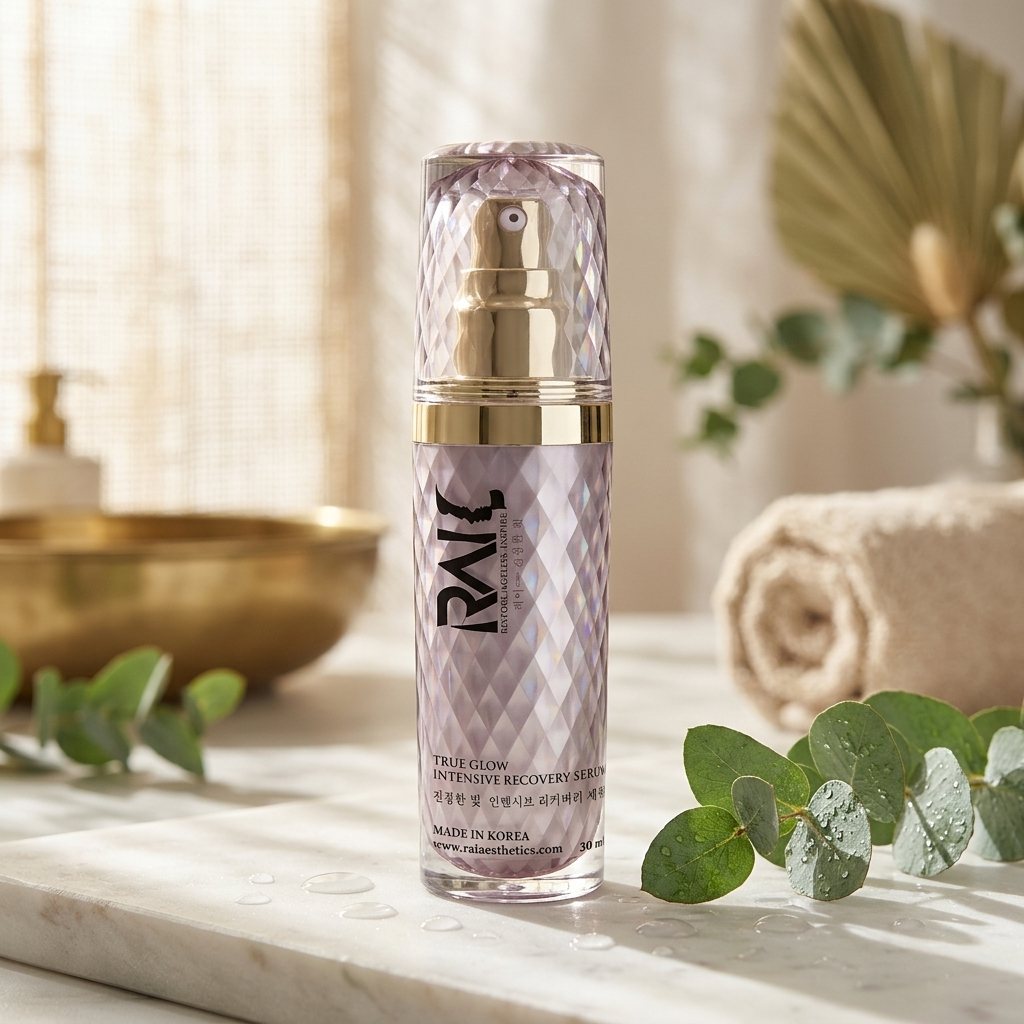
Restart retinol only when the skin has fully closed, is no longer pink, tight or flaking, and tolerates plain moisturiser without stinging; for most non-ablative treatments that is about a week, and after laser resurfacing Cleveland Clinic's patient guidance is to skip tretinoin and glycolic acid for about four weeks. The same principle covers vitamin C, exfoliating acids and prescription lighteners, which restart in a set order rather than all at once. Prescription products such as tretinoin and hydroquinone restart only as directed by your doctor. In the gap, once your doctor clears you to resume skincare, a bland post-procedure recovery serum or fragrance-free moisturiser is a common choice; it is a cosmetic designed to support the skin while it recovers, not a replacement for your actives.
Why actives are paused in the first place
Actives are paused because they work by irritating or exfoliating the surface, and a procedure has just done that for you. A review in Clinical Interventions in Aging describes burning, peeling and dermatitis as the side effects that limit patient acceptance of retinoids, strongest with tretinoin and tazarotene and milder with retinol and retinaldehyde; DermNet adds dry skin, irritant contact dermatitis and sun sensitivity. On a barrier that is still rebuilding, those effects arrive faster and harder, prolong redness, and in Fitzpatrick types III to V raise the risk of post-inflammatory hyperpigmentation. Many clinics also ask you to stop retinoids and acids for several days before a procedure for the same reason; our explainer on the skin barrier after aesthetic procedures covers what is happening underneath.
Restart timing by active and by procedure
The table gives the ranges clinics commonly use. They are not study figures: only the four-week resurfacing figure is a published patient guideline, and your doctor's protocol replaces every cell.
| Active | Ablative laser (CO2, erbium) | Non-ablative, Pico, IPL | Chemical peel | Microneedling, Morpheus8 | HIFU, RF tightening |
|---|---|---|---|---|---|
| Retinol (cosmetic) | About four weeks (Cleveland Clinic guidance for resurfacing) | When redness and any crusting have gone, often about a week | When flaking has finished, often one to two weeks; later for medium peels | About a week, once flaking has finished | Once tenderness settles, often within days |
| Tretinoin and other prescription retinoids | As directed by your doctor; usually no sooner than cosmetic retinol | ||||
| Vitamin C (low-pH forms) | With or after retinol | Once there is no stinging on moisturiser | After flaking has finished | Once there is no stinging, often about a week | Within days |
| AHA and BHA exfoliants | About four weeks (glycolic acid named in the same guidance) | After retinol has been tolerated | Last of all; a peel is already an acid | After retinol has been tolerated | Within days to a week |
| Niacinamide | Usually the first active back, once the surface has closed | Within days | Once flaking has finished | Within a few days | Within days |
| Hydroquinone and other prescription lighteners | As directed by your doctor; some doctors restart these early in PIH-prone skin, others wait, and that decision is theirs | ||||
| Sunscreen | First product back, from the day your doctor allows it; not an active and not optional | ||||
How to reintroduce actives without undoing the result
Bring actives back one at a time, mildest first, with three or four days between each, and stop at the first sign of stinging or new redness. A typical order is sunscreen, then niacinamide, then vitamin C, then the retinoid, then exfoliating acids. For the retinoid itself, DermNet's general advice applies with extra caution: apply at night, use a moisturiser and daily sunscreen alongside it, and start with a cream formulation, which it notes is the least irritating. Many people restart every third night and build up over two or three weeks, and some buffer the first applications by putting moisturiser on first. If you were using a stronger product before the procedure, go back to a lower strength or frequency for the first fortnight rather than straight to your old routine. Our guides to recovery after a chemical peel and skin care after microneedling show where this phase sits in each timeline.

Prescription products: tretinoin, hydroquinone and combination creams
Prescription retinoids and lighteners restart on your doctor's timetable, not a general one, because the dose, the strength and the reason you were prescribed them all change the answer. DermNet notes that hydroquinone is prescription-only in New Zealand and many other countries, is often combined with a topical retinoid, and can cause irritant contact dermatitis at higher concentrations, which is why it is not simply resumed on a rebuilding barrier. In Singapore, where melasma and PIH are common reasons for these prescriptions, the timing after a procedure is an individual decision; ask which applies to you, and use these products only as directed by your doctor. Our guide to dark patches after laser explains what rebound pigmentation looks like.
Signs you restarted too early
Stinging that lasts more than a minute, new redness in the shape of where you applied the product, flaking in patches, or a crop of small bumps a few days after restarting all mean the barrier was not ready. Stop the active, go back to bland hydration and sunscreen for a week, and then try again at a lower frequency. Contact your treating doctor rather than pushing through if redness spreads, the skin weeps, blisters appear, or dark patches develop, and never restart a prescription product after a reaction without asking. Follow your treating doctor's instructions; this explainer describes common practice, and your protocol overrides it.
Frequently asked questions
How long after laser can I use retinol?
After ablative laser resurfacing, Cleveland Clinic's patient guidance is to skip tretinoin and glycolic acid for about four weeks. After non-ablative, Pico or IPL treatments most clinics allow retinol once redness and any crusting have gone, often about a week. Prescription retinoids restart only as directed by your doctor; follow your treating doctor's instructions.
When can I use retinol after a chemical peel?
Once flaking has completely finished and plain moisturiser no longer stings, often one to two weeks after a superficial peel and later after a medium peel. Exfoliating acids come back last, because a peel is itself an acid. Reintroduce retinol every third night at first, and follow your treating doctor's instructions on timing.
When can I use vitamin C after microneedling?
Low-pH vitamin C serums sting on open channels and rebuilding skin, so most clinics wait until there is no stinging on bland moisturiser, often about a week after microneedling and a little longer after Morpheus8. Gentler derivatives are tolerated sooner. Follow your treating doctor's instructions before adding any active back.
Can I use hydroquinone after laser?
Only as directed by your doctor. Hydroquinone is a prescription product in many countries and some doctors restart it early after pigment laser in skin prone to post-inflammatory hyperpigmentation, while others wait until the skin is calm. Do not resume it on your own schedule; follow your treating doctor's instructions.
In what order should I restart my skincare after a procedure?
Sunscreen first, from the day your doctor allows it; then niacinamide, then vitamin C, then your retinoid, and exfoliating acids last. Add one product every three or four days and stop at the first stinging or new redness. Prescription products restart as directed by your doctor; follow your treating doctor's instructions throughout.
References
- Mukherjee S, Date A, Patravale V, Korting HC, Roeder A, Weindl G. Retinoids in the treatment of skin aging: an overview of clinical efficacy and safety. Clinical Interventions in Aging. 2006;1(4):327-348. doi:10.2147/ciia.2006.1.4.327. PMID 18046911; PMCID PMC2699641. https://doi.org/10.2147/ciia.2006.1.4.327
- Samaranayaka S, Jarrett P. Topical retinoids (vitamin A creams). DermNet (New Zealand). Updated 2021; page revised 2024. https://dermnetnz.org/topics/topical-retinoids
- Ngan V, Coulson I. Hydroquinone (bleaching cream). DermNet (New Zealand). Updated 2021; page revised 2026. https://dermnetnz.org/topics/hydroquinone
- Cleveland Clinic. Laser skin resurfacing: laser types, skin conditions, what to expect. Patient information, medically reviewed 2021. https://my.clevelandclinic.org/health/treatments/11015-laser-skin-resurfacing