Redness after an aesthetic procedure lasts anywhere from a few hours to several months, and the single biggest predictor is how deeply the treatment injures the skin. A superficial peel or Pico laser is usually pink for a day; a fully ablative CO2 resurfacing can look inflamed for months. This explainer puts the common procedures side by side so you know what is expected and when to call your doctor.
How long redness lasts: the short answer by procedure
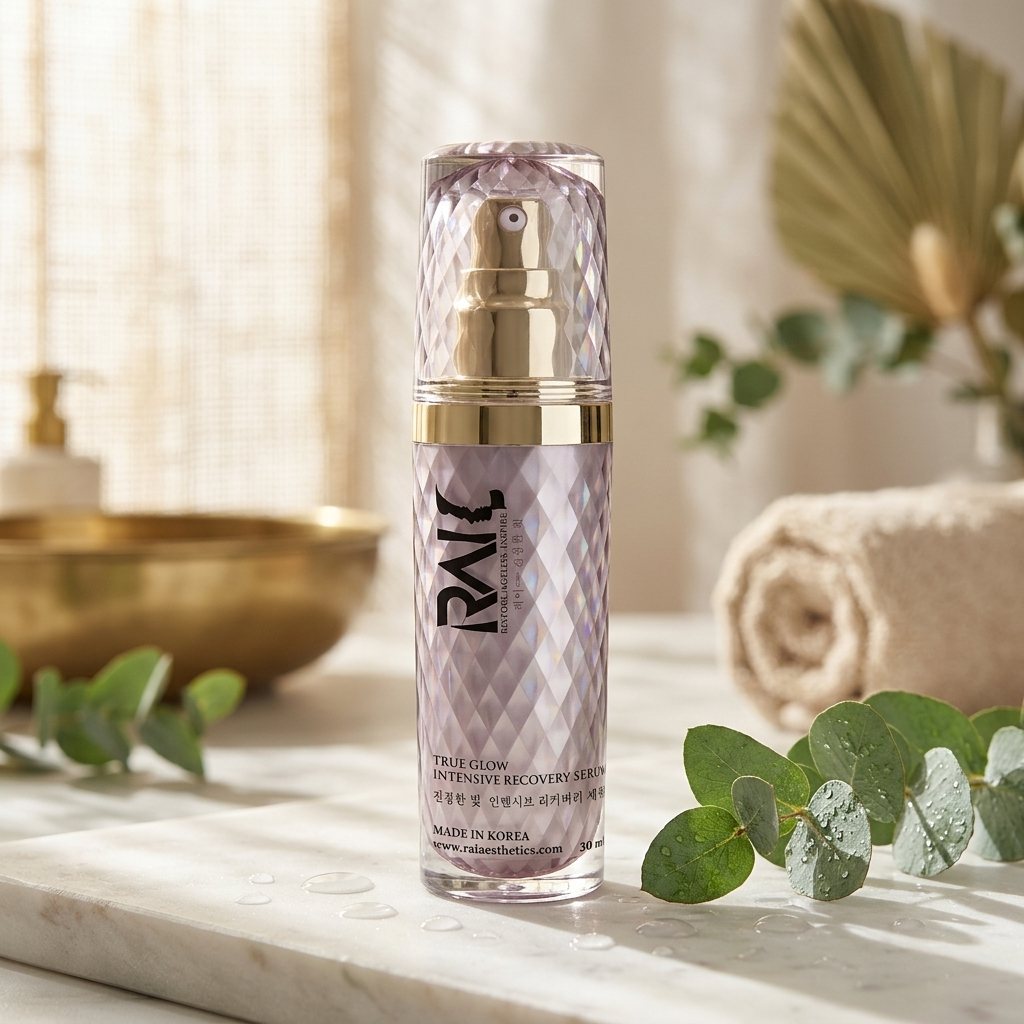
Redness is shortest after treatments that leave the surface of the skin intact (Pico, IPL, HIFU, Rejuran, superficial peels) and longest after treatments that remove it (ablative CO2 and erbium resurfacing, medium-depth peels). Everything else — fractional non-ablative lasers, microneedling, Morpheus8 — sits in between, usually in the range of days rather than weeks. The timelines below are the typical patterns reported by dermatology sources; your own course depends on the settings used, your skin type and how closely you follow the aftercare plan. Once your doctor clears you to resume skincare, a hydrating, fragrance-free post laser serum is a common choice for the pink phase; it is a cosmetic designed to support comfortable, hydrated skin while it recovers, not a treatment for the redness itself.
| Procedure | Typical redness | What else to expect |
|---|---|---|
| Fully ablative CO2 laser | Weeks to several months. New skin usually covers the area in 7–10 days, but the Mayo Clinic notes that treated skin may look inflamed for several months. | Rawness, swelling, weeping and crusting in the first week; dressings and prescribed wound care. |
| Ablative erbium (Er:YAG) laser | Usually shorter than CO2. DermNet gives one to four weeks to heal completely, typically two, with pinkness that fades after that. | Swelling for up to a week; peeling can be pronounced after fractional ablative passes. |
| Fractional non-ablative laser (Fraxel-type) | A pink tone for about 3–5 days. | A bronze look and sandpaper texture lasting 3–14 days; swelling usually settles in 2–3 days. |
| Pico / Q-switched pigment laser | Typically brief: hours rather than days. | Treated spots darken, then shed over the following days; the main risk in Asian skin is temporary darkening (PIH) rather than lasting redness. |
| IPL photofacial | Typically brief: a mild sunburn-like pinkness that settles over a few days. | Pigment spots darken and flake off; occasional bruising. |
| HIFU | Typically brief: pinkness on the day, often gone by the next. | Tenderness, mild swelling or patches of numbness can linger longer than the colour. |
| Morpheus8 / RF microneedling | About 12 hours to 3–5 days; occasionally longer. | Swelling is common and lasts longer than after plain microneedling; grid marks and a dry, rough phase. |
| Microneedling | Usually about a day; if prolonged, it generally settles within 3–7 days. | Swelling usually resolves within 24 hours but can last 2–3 days; light flaking. |
| Superficial chemical peel | Mild redness that usually resolves within 48 hours. | Light flaking like a sunburn; most people continue normal activities. |
| Medium-depth chemical peel (TCA) | Red, swollen and crusted for about a week. | Marked peeling; most people take a week off work. |
| Rejuran / polynucleotide skinboosters | Typically brief and localised to the injection points. | Small bumps and pinpoint marks where the needle entered, occasional bruising, rather than diffuse redness. |
Where the table gives numbers, they come from the sources listed at the end of this page: the Mayo Clinic and DermNet on resurfacing, fractional lasers and peels, and a 2021 systematic review of microneedling adverse effects. Where it does not, no reliable published range exists and the row describes the usual pattern only.
Why skin goes red after a procedure
Redness is the visible side of inflammation: the small blood vessels in the dermis widen to bring in the cells and fluid needed for repair, and that extra blood shows through the skin. After a resurfacing laser there is a second reason — the new epidermis is thinner than the old one for a time, so the blood supply beneath it is simply easier to see. That is why ablative treatments stay pink long after the surface has closed, while an energy-based treatment that never breaks the surface, such as HIFU, is usually pink only while the heat response lasts. Our explainer on the skin barrier after aesthetic procedures covers what is happening in those layers in more detail.
What makes redness last longer than the table says
Depth and energy matter most, but five other things commonly stretch the timeline. First, settings: a fractional laser run at a high density behaves more like an ablative treatment than the device name suggests. Second, repeated passes or treatments stacked on the same day. Third, your baseline skin — people with rosacea, eczema or very reactive skin often stay pink for longer. Fourth, heat, sun and exercise in the first days, all of which widen blood vessels again. Fifth, restarting active skincare too soon; exfoliating acids, retinoids and vitamin C on healing skin are a frequent cause of redness that comes back after it had begun to fade. If your redness has outlasted the usual range, our troubleshooting page on redness that won't go away after laser walks through the likely causes and what to stop.

Redness in Asian and darker skin: the pigment question
In Fitzpatrick types III–V, which covers most Singapore skin, the practical worry is less that redness lasts and more what it leaves behind. Inflammation in darker skin tends to trigger extra melanin, so a patch that stays red for longer than expected has a higher chance of turning into a brown patch — post-inflammatory hyperpigmentation (PIH) — once the pink fades. DermNet describes PIH as more common and longer-lasting in darker skin types, and notes that lasers, peels and IPL can aggravate it by injuring the epidermis. This is why clinics treating Asian skin often use lower energies, more sessions and stricter sun protection. Our guides on post-inflammatory hyperpigmentation and on dark patches after laser explain how to tell PIH from normal pigment shedding.
Normal redness versus redness that needs a call
Expected redness is uniform across the treated area, warm rather than hot, and improving day on day after the first 48 hours. Contact your treating clinic, ideally with a photo, if the redness is doing any of the following: getting darker or spreading beyond the treated zone after day two; concentrated in one patch that is hot, swollen or painful; accompanied by yellow or green discharge, honey-coloured crusts or clusters of small blisters; or paired with fever or chills. Those patterns can indicate infection or a cold-sore flare rather than ordinary healing, and the earlier they are reviewed the better. Our page on signs of infection after microneedling or laser gives the full checklist. Do not self-treat with leftover creams; follow your treating doctor's instructions.
What helps while the redness fades
The routine is the same whatever the procedure; only the dates change. Keep the skin cool (cool packs through a clean cloth, no ice directly on the skin), keep it hydrated with a plain, fragrance-free product your doctor has approved, and keep it out of the sun with a broad-spectrum sunscreen once the surface has closed. Avoid heat, sweating, saunas and alcohol in the first days, and hold off exfoliants and other actives until your doctor clears them — our explainer on when to restart retinol after procedures has a timing table. Dr Sin Yong recommends a hydrating recovery serum for his own patients from the day the skin has closed. For procedure-specific day-by-day plans, see our guides to recovery after CO2 laser, Morpheus8, HIFU, chemical peels and microneedling.
Frequently asked questions
How long does redness last after laser treatment?
It depends on the laser. A fractional non-ablative laser usually leaves skin pink for about three to five days; a fully ablative CO2 resurfacing can look inflamed for several months even though new skin covers the area within about ten days. Settings and skin type shift these ranges, so follow your treating doctor's instructions and timeline.
Is it normal for redness to get worse on day two?
Mild peaking of redness and swelling in the first 48 hours is common after lasers, peels and microneedling. Redness that keeps darkening after that, spreads beyond the treated area, or comes with heat, pain, discharge or blisters is not expected and should be reviewed. Send your clinic a photo and follow your treating doctor's instructions.
How long does redness last after HIFU or Rejuran?
Both are usually brief. HIFU leaves pinkness on the day that typically fades by the next, though tenderness or mild swelling can linger longer. Rejuran causes small bumps and pinpoint marks at injection points rather than diffuse redness, settling over the following days. If either persists or worsens, follow your treating doctor's instructions and contact the clinic.
What can I put on red skin after a procedure?
Until the surface has closed, only what your clinic applied or prescribed. After that, a plain, fragrance-free hydrating product without actives — a post-laser recovery serum is formulated for this stage — plus broad-spectrum sunscreen. Avoid exfoliants, retinoids and vitamin C until cleared, and follow your treating doctor's instructions on exact timing.
Does redness after laser turn into dark patches in Asian skin?
It can. In darker skin types, prolonged inflammation often triggers extra melanin, so an area that stays red longer than expected has a higher chance of leaving a brown patch (post-inflammatory hyperpigmentation). Strict sun protection and avoiding heat and actives lower the risk. Report any new dark patches early and follow your treating doctor's instructions.
References
- Mayo Clinic Staff. Laser resurfacing. Mayo Clinic (mayoclinic.org), Tests & Procedures; published 26 Oct 2024. https://www.mayoclinic.org/tests-procedures/laser-resurfacing/about/pac-20385114
- Gray M, Ngan V. Laser resurfacing. DermNet (dermnetnz.org); 1997, updated 2008; page modified 2024. https://dermnetnz.org/topics/laser-resurfacing
- Ngan V, Oakley A. Fractional laser treatment. DermNet (dermnetnz.org); 2007, updated 2015; page modified 2026. https://dermnetnz.org/topics/fractional-laser-treatment
- Oakley A, Elghblawi E. Chemical peels (face peels). DermNet (dermnetnz.org); 1998, updated October 2018; page modified 2024. https://dermnetnz.org/topics/chemical-peels
- Gowda A, Healey B, Ezaldein H, Merati M. A systematic review examining the potential adverse effects of microneedling. Journal of Clinical and Aesthetic Dermatology. 2021;14(1):45-54. PMID 33584968; PMCID PMC7869810. https://jcadonline.com/examining-potential-adverse-effects-microneedling/