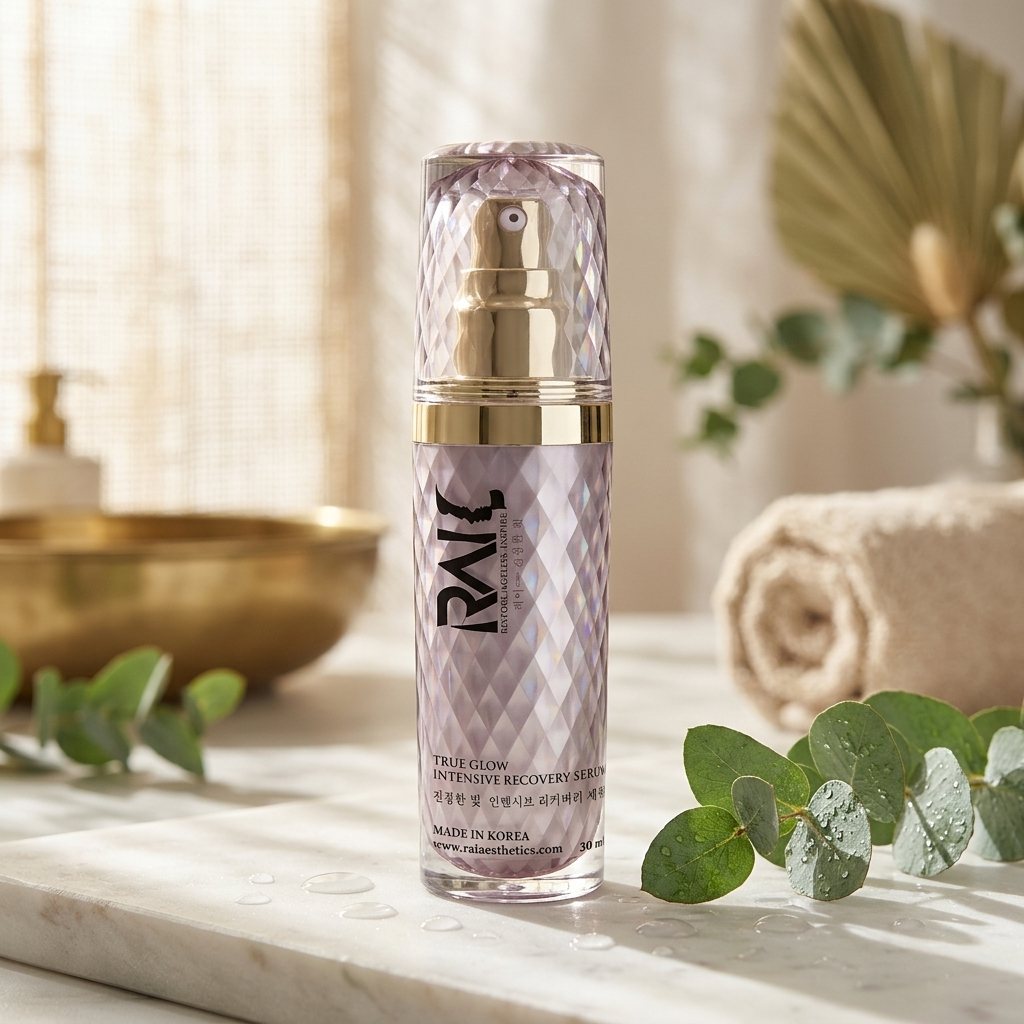
Thermage and Ultherapy heat the deeper layers of the skin without breaking the surface, so aftercare is about managing swelling, tenderness and the occasional numb patch rather than open skin. Most after-effects settle within one to two weeks, while the tightening itself builds over months. This guide covers the timeline, what to apply, what to avoid and when to call your doctor.
What Thermage and Ultherapy do to the skin
Both treatments heat the dermis and the layer beneath it to make existing collagen contract and to prompt new collagen over the following months; the surface is left intact. Thermage does this with monopolar radiofrequency delivered through a cooled tip, and Ultherapy with microfocused ultrasound that places small points of heat at set depths. A review in Clinical, Cosmetic and Investigational Dermatology describes the common after-effects of focused ultrasound as transient redness, swelling and occasional bruising, with results assessed at 90 and 180 days rather than days after treatment. Because nothing is open, skincare is simpler than after laser: once your doctor clears you to resume products, a hydrating, fragrance-free serum such as True Glow Intensive Recovery Serum is a common choice while the area feels warm and tender. Ultherapy belongs to the same family as HIFU, so our HIFU recovery guide is the closest companion to this one. Your treating doctor's instructions always come first; this page describes the usual pattern.
Recovery timeline after Thermage and Ultherapy
Redness usually fades within a day or two, tenderness and mild swelling within one to two weeks, and the visible tightening develops over two to six months. A study of 30 Thai volunteers with Fitzpatrick type III to V skin treated with monopolar radiofrequency recorded redness immediately afterwards in 25 of them, resolving in one to two days, with no serious adverse events.
| Phase | What you may notice | Usually settles |
|---|---|---|
| First few hours | Pinkness, warmth, slight puffiness; a tight or sunburnt feeling | Same day to two days |
| Days 1–7 | Tenderness when pressing the skin or chewing, mild swelling along the jaw or cheeks, occasional small bruise, tingling or numb patches | One to two weeks |
| Weeks 2–4 | Skin looks and feels normal; an occasional firm spot or lingering numb area | A few weeks |
| Months 2–6 | Gradual firming as collagen remodels; studies assess results at 90 and 180 days | Ongoing |
Our redness timeline across procedures puts these dates alongside laser, peel and injectable downtime.
Swelling, tenderness and numbness: what is normal
Mild swelling, tenderness to touch and patchy numbness are the expected after-effects, and they ease rather than worsen. A safety review of microfocused ultrasound in the Journal of Cosmetic Dermatology describes tenderness, redness and slight swelling as the common effects, with bruising, welting and nerve-related symptoms rarer and surface heat injury rare and linked mainly to technique. Numbness happens because the heat briefly irritates small sensory nerves; the Clinical, Cosmetic and Investigational Dermatology review lists it as uncommon and transient. Faint lines or raised welts along a treatment pass are reported occasionally and usually flatten within days. The same review notes post-inflammatory hyperpigmentation reported about a month after treatment, which is why sun protection matters for Fitzpatrick type III to V skin even when the surface was never broken. If any after-effect is increasing after day three, or is not on this list, contact your treating doctor rather than waiting it out.
What to put on your skin — and what to avoid

The surface barrier is intact, so the routine is simple: keep it cool, hydrated and protected, and leave out anything that stings or heats. Dr Sin Yong recommends a hydrating recovery serum for his own patients from the day the skin has closed.
Put on
- A mild cleanser with lukewarm water, patted rather than rubbed dry.
- A calming, fragrance-free serum or moisturiser two to three times a day for the first few days; a product formulated to calm and hydrate is what most clinics suggest.
- Broad-spectrum sunscreen each morning from the next day, reapplied if you are outdoors; a hat on bright days.
- A cool, clean compress for ten minutes at a time if the skin feels hot — not ice straight on the skin.
- Light, non-comedogenic makeup once redness has settled, often the same evening, applied and removed gently.
Leave off
- Exfoliants, anti-ageing actives and strong brightening serums for 24 to 48 hours, and longer while the skin is tender; our guide on when to restart retinol and other actives gives the usual order.
- Saunas, steam rooms, hot yoga and very hot showers for about a week.
- Firm facial massage, gua sha tools and massage devices while the area is tender.
- Vigorous exercise for the first day or two, and alcohol while swelling is present.
- Other energy treatments, peels or injectables on the same area until your doctor clears them; if you are combining with injectables, see our skincare after fillers and anti-wrinkle injections guide.
When to call your doctor
Most Thermage and Ultherapy recoveries are uneventful, and most moments of doubt are normal; a photo sent to the clinic is the quickest way to be reassured. Contact your treating doctor promptly if you notice:
- Pain or swelling that increases after day three instead of easing.
- Any weakness or asymmetry when you smile, purse your lips or raise your eyebrows.
- A numb patch still present after a few weeks.
- A blister, a burn-like mark, or a line of raised welts that has not flattened within a few days.
- A firm lump that has not softened after several weeks.
- New dark patches in the treated area, particularly in darker or Asian skin.
Your doctor can tell normal recovery from a complication far better than a search engine can; when unsure, ask.
Thermage, Ultherapy and HIFU: how the recoveries differ
All three are non-ablative, so none involves peeling or open skin; the differences are in where the heat sits. Thermage heats a broad band of the dermis from the surface down, so surface warmth, pinkness and the occasional welt along a pass are its typical after-effects. Ultherapy and other HIFU devices place points of heat at fixed depths, which is why deep tenderness, tingling and numb patches are reported more often than redness. Morpheus8 is different again: radiofrequency through needles that do break the surface, so its aftercare is closer to microneedling, covered in our Morpheus8 recovery guide. For the background on why skin loosens in the first place, see skin laxity and sagging.
Week two onwards: routine and results
Once tenderness has gone, usually within two weeks, the normal routine returns one product at a time, mildest first, with sunscreen kept every morning. Results arrive later than most people expect: a study of 20 subjects treated once with microfocused ultrasound assessed lift at 90 days, 180 days and one year and measured the greatest change at day 90, while the 30-volunteer radiofrequency study found improvement at six months greater than at one month. Review appointments are therefore commonly set at three and six months, and your doctor will advise on whether and when a repeat session is worthwhile.
Frequently asked questions
How long does swelling last after Ultherapy?
Mild swelling and puffiness usually peak in the first day or two and settle over one to two weeks, with tenderness to touch fading in the same window. Swelling that increases after day three, or is one-sided and painful, should be reviewed. Cool compresses and sleeping with your head raised can help; follow your treating doctor's instructions on anything else.
What should you not do after Thermage?
For the first 24 to 48 hours avoid heat — saunas, steam, hot showers, hot yoga — hard exercise, firm facial massage and stinging actives such as exfoliants and anti-ageing serums. Skip other energy treatments, peels and injectables on the same area until cleared, and keep up daily sunscreen. Follow your treating doctor's instructions if they differ.
Is numbness after Ultherapy normal?
Patchy numbness or tingling along the jaw or cheek is a recognised, usually temporary after-effect caused by heat irritating small sensory nerves; published safety reviews describe nerve-related symptoms as uncommon and transient. Numbness still present after a few weeks, or any weakness when you move your face, needs prompt review. Follow your treating doctor's instructions on when to be seen.
When can I wear makeup after Thermage or Ultherapy?
Usually once the redness has settled, which is often the same evening or the next morning, because the skin surface is not broken. Choose a light, non-comedogenic product, apply it with clean hands and remove it gently while the area is tender. If the skin still feels hot, wait another day. Follow your treating doctor's instructions if they differ.
When do you see results from Thermage or Ultherapy?
Some people notice a change within weeks, but the main tightening builds as collagen remodels over two to six months; published studies assess results at 90 and 180 days, and one measured the greatest lift at 90 days. Results vary with age and skin thickness, so judge them at your clinic's review. Follow your treating doctor's instructions on timing.
References
- Fabi SG. Noninvasive skin tightening: focus on new ultrasound techniques. Clinical, Cosmetic and Investigational Dermatology. 2015;8:47-52. doi:10.2147/CCID.S69118. PMID 25709486; PMCID PMC4327394. https://doi.org/10.2147/CCID.S69118
- Hitchcock TM, Dobke MK. Review of the safety profile for microfocused ultrasound with visualization. Journal of Cosmetic Dermatology. 2014;13(4):329-335. doi:10.1111/jocd.12111. PMID 25399626. https://doi.org/10.1111/jocd.12111
- Werschler WP, Werschler PS. Long-term efficacy of micro-focused ultrasound with visualization for lifting and tightening lax facial and neck skin using a customized vectoring treatment method. Journal of Clinical and Aesthetic Dermatology. 2016;9(2):27-33. PMID 27047630; PMCID PMC4771387. https://jcadonline.com/long-term-efficacy-of-micro-focused-ultrasound-with-visualization-for-lifting-and-tightening-lax-facial-and-neck-skin-using-a-customized-vectoring-treatment-method/
- Wanitphakdeedecha R, Yogya Y, Yan C, Phumariyapong P, Nanchaipruek Y, Thongjaroensirikul P, Maneeprasopchoke P, Techapichetvanich T, Eimpunth S, Manuskiatti W. Efficacy and safety of monopolar radiofrequency for treatment of lower facial laxity in Asians. Dermatology and Therapy. 2022;12(11):2563-2573. doi:10.1007/s13555-022-00817-8. PMID 36166188; PMCID PMC9588109. https://doi.org/10.1007/s13555-022-00817-8