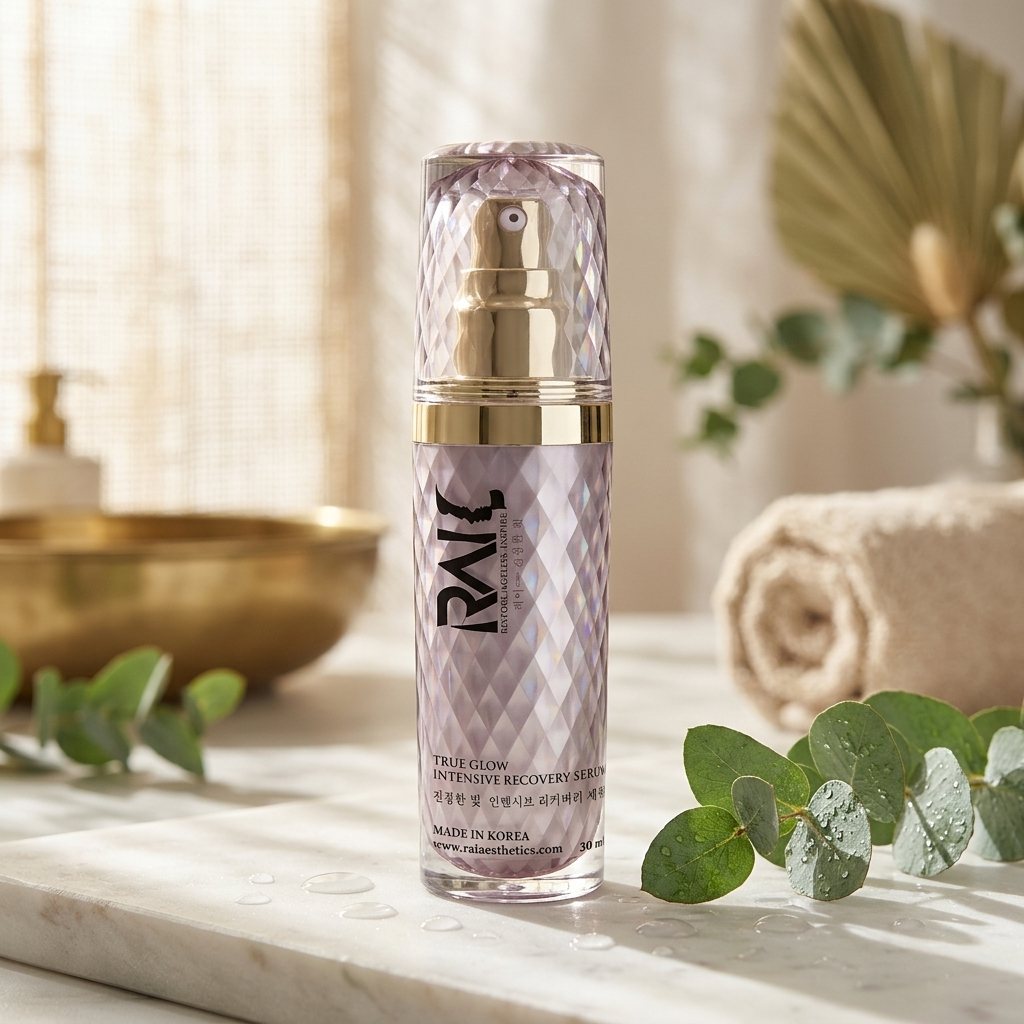
After an IPL photofacial the skin looks mildly sunburnt for a day or two and the sun spots turn darker before they flake away, usually within a week. Nothing is open, so aftercare is about keeping the skin cool, hydrated and out of the sun, and leaving the dark specks alone. This guide covers the timeline, what to apply and avoid, and when to call your doctor.
What IPL does to the skin
IPL is not a laser but a filtered flash lamp that delivers a broad band of light absorbed by melanin in pigment spots and by haemoglobin in small vessels, heating them while the surface stays intact. A review in Clinical, Cosmetic and Investigational Dermatology describes the output as roughly 420 to 1,400 nanometres, less selective than a laser, and notes that melanin in the surrounding epidermis competes for that energy — the reason settings and cooling matter more in darker skin. Because nothing is broken, recovery is short: pinkness and warmth for a day or two, and darkened spots that crust and shed. Once your doctor clears you to resume skincare, often the same evening or the next morning, a hydrating post laser serum is a common choice while the skin feels warm and dry. If your clinic used a pigment laser instead, our Pico laser recovery guide is the one to read. Your treating doctor's instructions always come first; this page describes the usual pattern.
Recovery timeline after an IPL photofacial
Redness usually settles within a few days, the darkened spots crust within one to two days and shed within about a week, and the skin looks even by the time the next session is due three to six weeks later. A review in the Journal of Clinical and Aesthetic Dermatology describes the treated spots crusting over 24 to 48 hours and peeling off within seven days; DermNet describes the sensation as a mild sunburn lasting a few days.
| When | What you may notice | What to do |
|---|---|---|
| Day 0 | Pink, warm, slightly swollen skin; sun spots visibly darker within minutes | Cool compress, hydrating serum or moisturiser once cleared, sunscreen if going out |
| Days 1–2 | Spots darken further and feel rough — the 'coffee-ground' look; mild puffiness under the eyes on waking | Gentle cleansing, hydration two to three times a day, no picking |
| Days 3–7 | Specks flake off with washing; pinkness fading; skin may feel dry | Keep hydrating, sunscreen every morning, light makeup if nothing is open |
| Weeks 1–3 | Tone looks more even; any fresh pinkness gone | Resume actives one at a time once your doctor agrees |
| Weeks 3–6 | Next session in a series, typically four to six | Avoid tanning before it |
The 'coffee-ground' spots: why pigment darkens before it clears
Darkening of the spots is the intended endpoint of the treatment, not a burn: the heated melanin rises to the surface as fine dark crusts that shed with normal washing. The Journal of Clinical and Aesthetic Dermatology review describes visible darkening as the immediate sign the energy has reached its target, with crusting over 24 to 48 hours and peeling within seven days, and notes that twice-daily moisturising is used to help the process along. Do not pick, scrub or exfoliate them off; a crust removed early can leave a pink or brown mark that lasts far longer than the crust would have. Small bruises occur in a minority of people — DermNet puts bruising at up to 10 percent — and blistering is rare. If a spot blisters, weeps or becomes painful, that is not the normal course: contact your treating doctor.
Redness and swelling after IPL
Pinkness, warmth and mild swelling are the expected immediate effects and usually fade within a few days, with puffiness most noticeable under the eyes on the first morning. Cool, clean compresses for ten minutes at a time, sleeping with the head raised and avoiding heat all help. Redness that is spreading, increasing after day two, or still present beyond a week deserves a photo to your clinic; our guide on how long redness lasts after procedures explains what is usual for each treatment. Whatever the cause, follow your treating doctor's instructions rather than adding products to calm it.
What to put on your skin — and what to avoid

The routine for the first week is hydrate, protect and leave alone. Our guide on how to choose a post-laser recovery serum explains what to look for in a product for this stage.
Put on
- A mild, fragrance-free cleanser with lukewarm water, applied with fingertips and patted dry.
- A hydrating, active-free serum or moisturiser two to three times a day, more often if the skin feels tight; a product formulated to calm and hydrate is what most clinics suggest.
- Broad-spectrum sunscreen every morning, reapplied if outdoors, plus a hat; DermNet advises avoiding sun exposure in the days and weeks after treatment.
- Light, non-comedogenic makeup once nothing is weeping, often from the next day, removed gently.
Leave off
- Retinoids, acids, vitamin C, scrubs and brightening actives until the flaking has finished and your doctor agrees — commonly about a week.
- Picking, rubbing or exfoliating the dark specks.
- Hot showers on the face, saunas, steam, hot yoga and sweaty exercise for the first day or two.
- Direct sun, tanning and sunbeds for the whole course of treatment.
- Other lasers, peels or facials on the same area until cleared.
IPL in Asian skin: the pigmentation question
IPL can be used in Fitzpatrick type III to V skin, but the risk of the skin responding with new brown patches rather than clearing is higher, so settings, cooling and sun protection matter more. A review in the journal Laser Therapy explains that Asian skin has a higher epidermal melanin content, making adverse pigmentary reactions more likely after light-based treatment, while noting that IPL carries fewer complications than nanosecond lasers for superficial spots. The Journal of Clinical and Aesthetic Dermatology review likewise warns of a risk of inducing hyperpigmentation in darker skin types. Tell your doctor about any melasma before treatment, because it can flare with heat — see melasma explained. If new, flat brown patches appear in the treated area in the weeks after the specks have shed, read our guides on post-inflammatory hyperpigmentation and dark patches after laser, and contact your treating doctor early, since early review helps limit it.
When to call your doctor
Most IPL recoveries need no call at all. Contact your clinic, with a photo, if you notice:
- Blisters, weeping or open skin anywhere in the treated area.
- Pain, swelling or redness that increases after day two instead of easing.
- Yellow crusting, pus, spreading redness or fever.
- A sharply outlined pale or dark rectangle matching the shape of the handpiece.
- New brown patches appearing after the dark specks have gone.
- Clusters of small sores, especially if you have a history of cold sores.
Your treating doctor can judge whether a mark is a normal crust or a burn far better than a search result can; when unsure, ask before applying anything to it.
Frequently asked questions
How long does it take to recover from an IPL photofacial?
Redness and swelling usually settle within a few days, the darkened spots crust in one to two days and flake off within about a week, and the skin looks even within two to three weeks. Most people return to work the same day; sessions are typically three to six weeks apart. Follow your treating doctor's instructions on your own timeline.
What should you not do after IPL?
Do not pick or scrub the darkened spots, use retinoids, acids or scrubs until flaking has finished, or expose the skin to direct sun, tanning or sunbeds during the course. Avoid hot showers on the face, saunas and sweaty exercise for the first day or two, and other treatments on the area until cleared. Follow your treating doctor's instructions.
Can I wear makeup after IPL?
Usually from the next day, once nothing is weeping or open, because the skin surface is intact after IPL. Choose a light, non-comedogenic product, apply it with clean tools and remove it gently so the dark specks are not rubbed off early. If your skin feels hot or looks very flushed, wait another day. Follow your treating doctor's instructions.
Why do my freckles look darker after IPL?
Darkening is the expected sign that the light reached the pigment: heated melanin lifts to the surface as fine dark crusts, the 'coffee-ground' look, which flake away with normal washing within about a week. A published review describes crusting over 24 to 48 hours and peeling within seven days. Leave them alone and follow your treating doctor's instructions.
How soon can I use retinol after IPL?
Once the flaking has finished and the skin no longer feels tight or looks pink, which is commonly about a week, and only when your doctor agrees. Restart on alternate nights with a hydrating serum or moisturiser alongside, and stop if stinging returns. Keep sunscreen every morning throughout. Follow your treating doctor's instructions on the exact timing.
References
- Goldberg DJ. Current trends in intense pulsed light. Journal of Clinical and Aesthetic Dermatology. 2012;5(6):45-53. PMID 22768357; PMCID PMC3390232. https://jcadonline.com/current-trends-in-intense-pulsed-light/
- Husain Z, Alster TS. The role of lasers and intense pulsed light technology in dermatology. Clinical, Cosmetic and Investigational Dermatology. 2016;9:29-40. doi:10.2147/CCID.S69106. PMID 26893574. https://doi.org/10.2147/CCID.S69106
- Kono T, Shek SY, Chan HHL, Groff WF, Imagawa K, Akamatsu T. Theoretical review of the treatment of pigmented lesions in Asian skin. Laser Therapy. 2016;25(3):179-184. doi:10.5978/islsm.16-OR-13. PMID 27853342. https://www.jstage.jst.go.jp/article/islsm/25/3/25_16-OR-13/_article
- Ngan V. Intense pulsed light therapy (IPL, flashlamp). DermNet (DermNet New Zealand). Published 26 October 2023, updated 23 May 2024. https://dermnetnz.org/topics/intense-pulsed-light-therapy