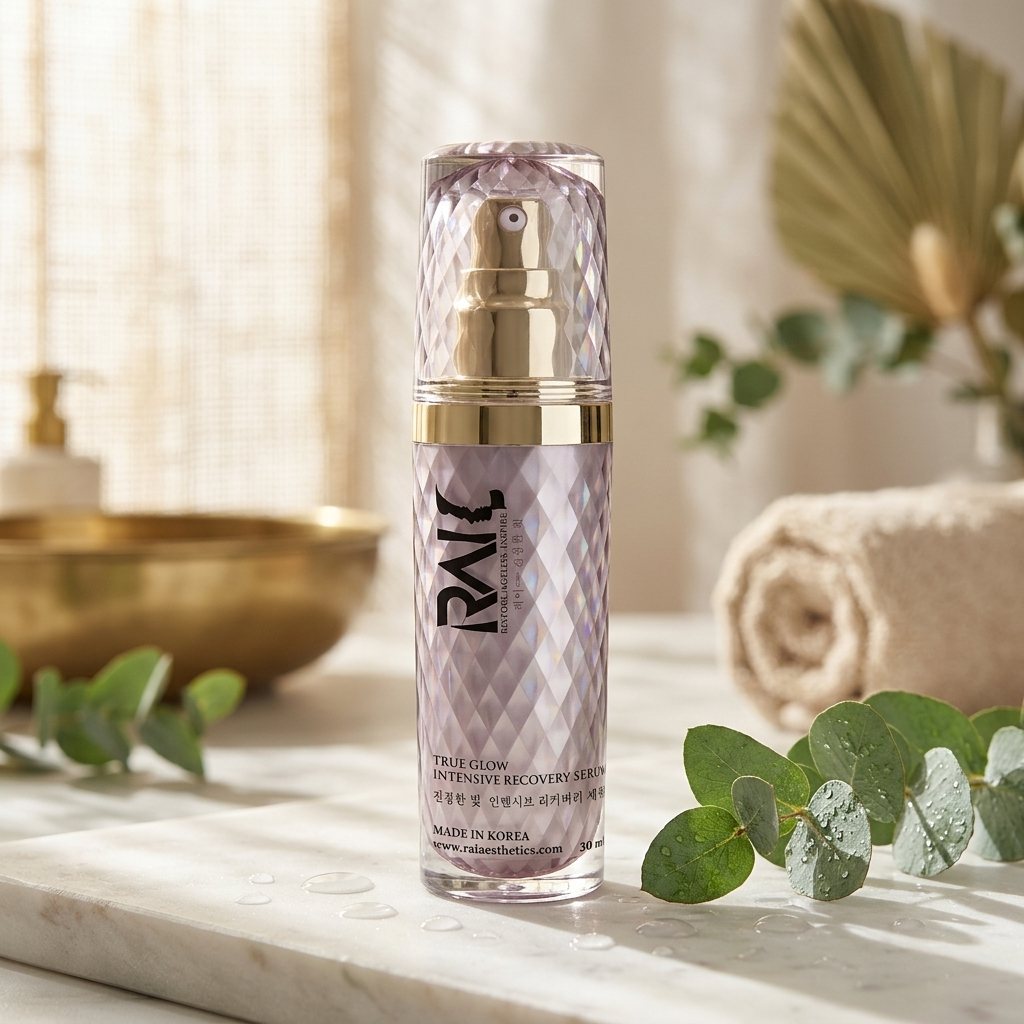
Recovery after a pico laser is usually short: redness for a few hours to a day, then any treated spots darken, crust and shed over one to two weeks. The real work of aftercare is protecting new skin from sun and friction so the pigment does not come back as a dark patch. Your treating doctor's instructions always come first; this guide describes the usual pattern.
What a pico laser does to the skin
A picosecond (pico) laser delivers extremely short pulses of light that shatter pigment in the skin into fragments the body can clear, with very little heat spreading to the surrounding tissue. That is why downtime is usually measured in hours rather than days. A systematic review in Lasers in Surgery and Medicine (77 studies) describes picosecond lasers as used for benign pigmented lesions, photodamage, melasma, scars and tattoos, with the strongest evidence for pigmented lesions and tattoos. The surface is left intact in most sessions, so aftercare is about soothing, hydrating and sun protection rather than wound care. Once your doctor clears you to resume skincare, usually the same evening or the next morning, a hydrating post-laser recovery serum with no fragrance or actives is a common choice for the first week.
Frosting, darkening and shedding: what you will see
The short answer: a treated spot often turns white for a few minutes, then darker over one to two days, then flakes away over one to two weeks. None of this means the treatment has gone wrong.
| Timing | What you see | What it means |
|---|---|---|
| Immediately | Pale or grey-white "frosting" on treated spots; mild redness and warmth | Pigment fragments and tiny gas bubbles in the skin; fades within minutes to an hour |
| Hours to day 1 | Redness and slight swelling, like mild sunburn | Normal inflammation; usually settles within 24 hours for low-energy toning |
| Days 1–3 | Spots look darker than before, sometimes with a fine crust | Broken-up pigment rising to the surface; do not pick |
| Days 5–14 | Crusts lift and flake off on their own | The underlying skin may look pink or lighter at first and evens out over weeks |
| Weeks 2–8 | Gradual fading; any new darkening needs review | Pigment clearance continues; new brown patches may be PIH and should be shown to your doctor |
Whole-face "toning" sessions at low energy usually produce only transient redness and no crusting; the table above describes spot treatment of individual lesions such as freckles, sun spots or Hori naevus. Ask your clinic which type you had, because the aftercare differs in how strict the no-touch rule needs to be.
Day-by-day aftercare after pico laser
Keep it cool, clean and covered: cool compresses on day one, gentle cleansing from the next morning, hydration several times a day, and sunscreen whenever you are outdoors.
- Day 0: cool packs wrapped in a clean cloth for ten minutes at a time, never ice directly on the skin. Use whatever the clinic applied and nothing else until your doctor clears products. Sleep on a clean pillowcase.
- Days 1–3: cleanse with lukewarm water and fingertips, pat dry. Apply a fragrance-free hydrating serum or bland moisturiser two to four times a day. Broad-spectrum sunscreen, SPF 50+, every morning; a hat and shade when outside.
- Days 3–14: let crusts fall away on their own. Keep hydrating. Light mineral makeup is usually fine over intact skin, not over crusts.
- Weeks 2–8: continue daily sunscreen without exception. Reintroduce actives one at a time once your doctor agrees (see below).

Why PIH is the main risk in Asian skin
Post-inflammatory hyperpigmentation (PIH) is the most common unwanted outcome after any pigment laser in Fitzpatrick III–V skin: inflammation prompts melanocytes to make extra melanin, and in darker skin the resulting patch is deeper in colour and slower to fade. DermNet notes that laser and light treatments can aggravate PIH by injuring the epidermis, that it is more common in darker-skinned people, and that daily SPF 50+ sunscreen limits further darkening. A meta-analysis in Dermatologic Therapy pooled five studies with 200 Asian patients treated with picosecond lasers for pigmentary disorders and rated about 56% of them as having an excellent result at three months, but the same literature stresses conservative settings and sun avoidance precisely because of the PIH risk in this population. In practice this means: no sun exposure without protection for at least four weeks, no picking, no heat (saunas, hot yoga, steam) for the first week, and no exfoliating or brightening actives until your doctor restarts them. If you have melasma, the darkening phase can be mistaken for a flare; our guides to melasma and post-inflammatory hyperpigmentation explain how the two differ. A separate page covers dark patches that appear after laser and when they need review.
When to resume actives, makeup and exercise
Most clinics restart sunscreen on day one, makeup on intact skin from about day two, exercise after 48–72 hours, and actives such as retinoids, vitamin C, AHA/BHA and prescription lighteners only after the skin has fully settled, often one to two weeks for spot treatment and a few days for low-energy toning. Prescription lightening creams are restarted only as directed by your doctor; some doctors ask patients to continue them between sessions, others pause them, so do not guess. Our explainer on when to restart retinol and other actives after procedures has a table by procedure, and our guide to choosing a post-laser recovery serum explains what to look for in the meantime. Dr Sin Yong recommends a hydrating recovery serum for his own patients from the day the skin has closed. Avoid swimming pools and sea water until any crusts have gone, because chlorine and salt sting raw skin and the crusts can soften and lift early.
How pico laser recovery compares with IPL and fractional lasers
Pico laser recovery is usually the shortest of the three because it breaks up pigment with very little heat; IPL produces a similar darkening-then-shedding pattern across larger areas, and fractional lasers add a bronzed, sandpaper-textured phase that lasts about a week. Our guide to recovery after an IPL photofacial covers that timeline, and our fractional laser guide covers the bronzing phase. If you are deciding between options for uneven skin tone, the recovery profile is one reason pico lasers are often suggested first for darker skin, though your doctor will weigh it against the specific pigment problem being treated.
When to contact your doctor
Most pico laser recoveries need no follow-up before the next scheduled session. Contact your clinic, with a photo, if you notice any of the following:
- Blistering, weeping or a white or grey patch that does not fade within an hour of treatment.
- Redness, swelling or pain that increases after day two rather than settling.
- Yellow crusting, pus, spreading redness, or fever.
- Clusters of small painful blisters, especially with a history of cold sores.
- New brown or grey-brown patches appearing in or around the treated area after the crusts have gone, or a treated spot that is darker at week four than before treatment.
- Pale, lighter-than-normal patches that persist beyond a few weeks.
Seek care urgently if there is spreading redness with fever, severe pain, or blistering across a wide area. Early review limits PIH and scarring; your treating doctor can judge whether the change is part of normal clearance or needs attention, and will tell you what to stop and what to continue.
Frequently asked questions
How long does it take to recover from a pico laser?
Redness usually settles within a few hours to a day after low-energy toning. Spot-treated lesions darken for one to three days, crust, and shed within one to two weeks, after which the skin evens out over several weeks. Downtime varies with energy and skin type, so follow your treating doctor's instructions on what to expect.
Why do dark spots look darker after pico laser?
The laser fragments pigment, and the fragments rise to the surface as a darker crust before flaking off. This darkening in the first few days is expected and is not the same as post-inflammatory hyperpigmentation, which appears later as a new patch. Do not pick, protect from the sun, and follow your treating doctor's instructions if darkening persists.
What should I put on my skin after pico laser?
Cool compresses on treatment day, then from the next morning a gentle cleanser, a fragrance-free hydrating serum or bland moisturiser two to four times a day, and SPF 50+ sunscreen every morning. A post-laser recovery serum is formulated for this stage. Leave actives off until cleared, and follow your treating doctor's instructions on timing.
When can I use retinol and vitamin C again after pico laser?
Actives usually return once the skin has fully settled: a few days after low-energy toning, or one to two weeks after spot treatment once crusts have shed. Reintroduce one product at a time and stop if it stings. Prescription lightening creams restart only as directed. Always follow your treating doctor's instructions before restarting anything.
Can pico laser cause pigmentation in Asian skin?
Yes. Post-inflammatory hyperpigmentation is the main risk in Fitzpatrick III–V skin because inflammation prompts extra melanin. Conservative settings, strict daily sunscreen, no picking, no heat, and holding off on actives reduce the risk. Show any new dark patch to your clinic early, and follow your treating doctor's instructions on prevention between sessions.
References
- Wu DC, Goldman MP, Wat H, Chan HHL. A systematic review of picosecond laser in dermatology: evidence and recommendations. Lasers in Surgery and Medicine. 2021;53(1):9-49. doi:10.1002/lsm.23244. PMID 32282094. https://doi.org/10.1002/lsm.23244
- Dong W, Wang N, Yuan X, Zhang W. Treatment of pigmentary disorders using picosecond laser in Asian patients: a meta-analysis and systematic review. Dermatologic Therapy. 2021;34(1):e14709. doi:10.1111/dth.14709. PMID 33368885. https://doi.org/10.1111/dth.14709
- Ngan V, Oakley A. Postinflammatory hyperpigmentation. DermNet NZ. 2005, updated 2015. https://dermnetnz.org/topics/postinflammatory-hyperpigmentation
- Ngan V. Lasers in dermatology. DermNet NZ. 2004, last modified 2024. https://dermnetnz.org/topics/lasers-in-dermatology